What San Jose is
Map →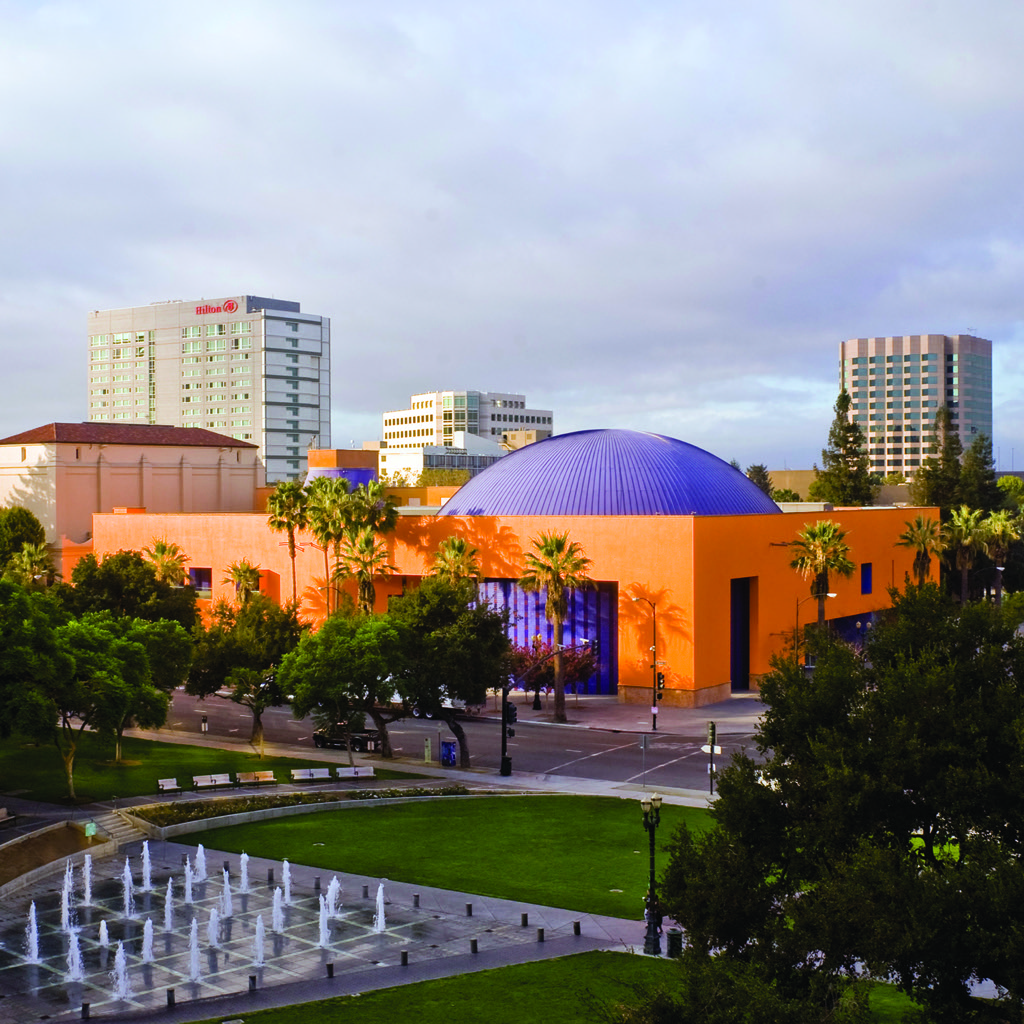
San Jose is the largest city in Silicon Valley and the center of the Bay Area's tech industry, with a walkable downtown, a mild climate, one of the country's few remaining historic Japantowns and strong Vietnamese, Mexican and Indian food scenes. It sits between San Francisco and the Santa Cruz Mountains, and offers easy access to both.
Come for the tech and science museums, the food and the sunshine, and use it as a base for wider Bay Area trips. It's calmer and more suburban than San Francisco, with real local character in its neighborhoods.
When to go
Map →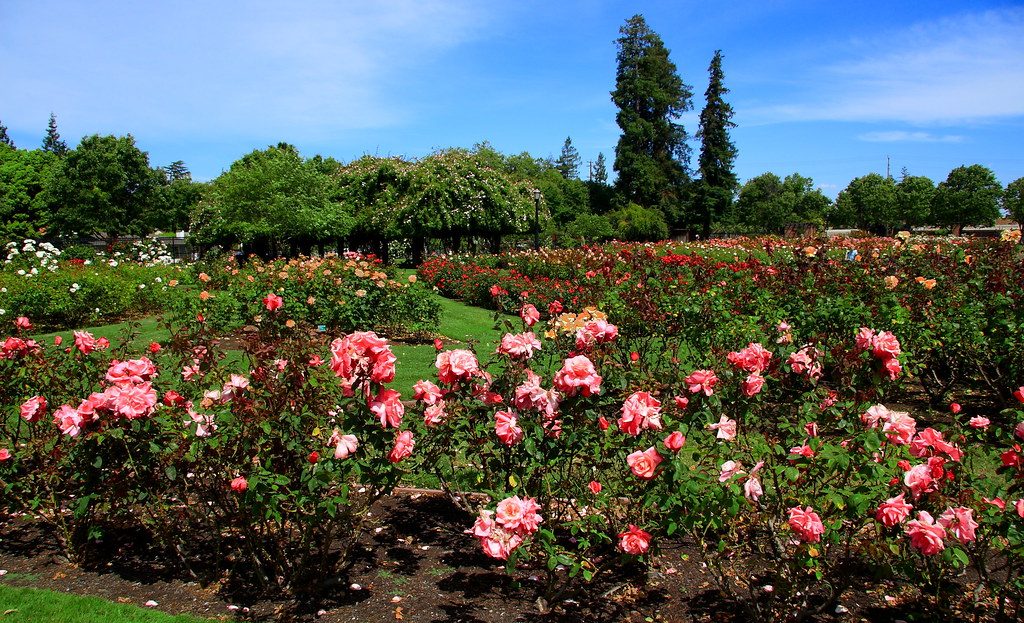
Spring (March to June) is warm, green and mild, with blooming gardens. Comfortable and clear.
Summer (July to August) is warm and dry, with cooler evenings. Wildfire season begins in the surrounding hills.
Fall (September to November) is the warmest and clearest, though wildfire smoke can occasionally affect air quality.
Winter (December to February) is cool and wetter, with green hills. Quiet and lower prices.
Check the events calendar. Sharks and 49ers games, tech conferences and major concerts raise hotel prices and fill the area.
How many days
Map →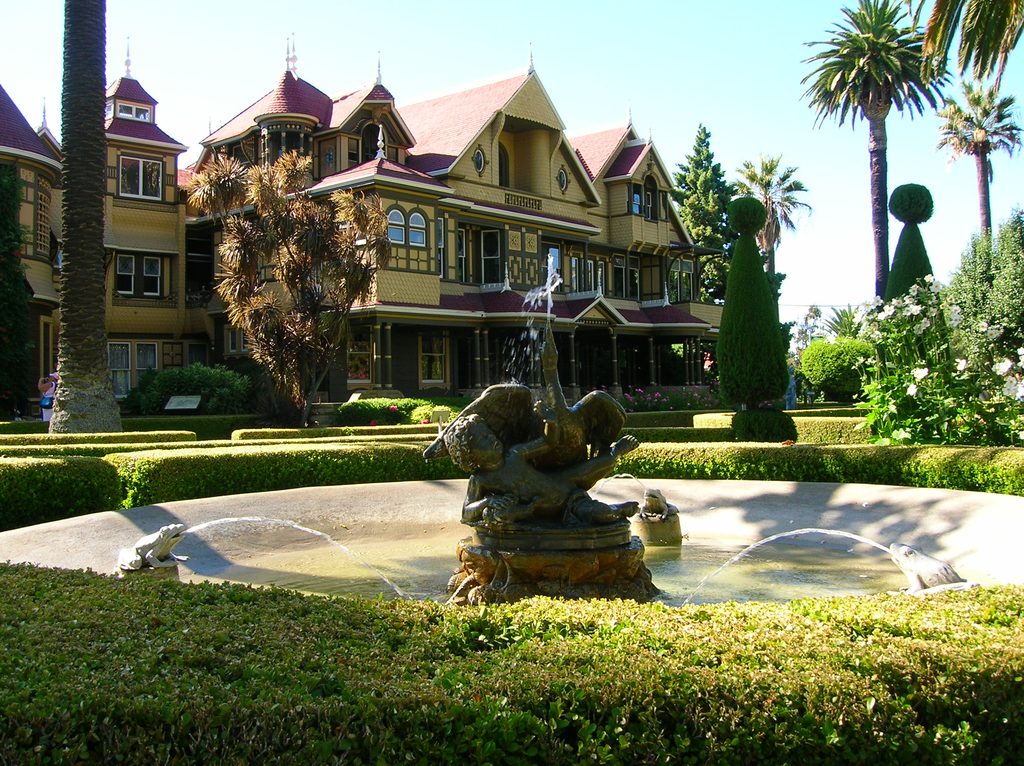
2 days covers downtown, a museum and a food neighborhood.
3 days (recommended) adds Japantown, Santana Row and a nature outing.
4 or more days adds Santa Cruz, Monterey or a San Francisco day trip.
Day 1, downtown: morning at The Tech Interactive, a hands-on science museum, then lunch at San Pedro Square Market. Afternoon at the Rosicrucian Egyptian Museum or the Winchester Mystery House, a famously eccentric mansion. Evening dinner downtown, or a Sharks game at SAP Center.
Day 2, neighborhoods: morning in Japantown (one of three historic Japantowns in the U.S.) for bakeries and shops, then the Japanese Friendship Garden. Afternoon at Santana Row for shopping and dining. Evening on Story Road for Vietnamese food.
Day 3, nature and tech: morning hike at Alum Rock Park or Almaden Quicksilver County Park. Afternoon at the Computer History Museum in Mountain View (about 10 miles away) or a drive to Santa Cruz for the Boardwalk and beach. Evening dinner in Willow Glen.
Where to stay
Map →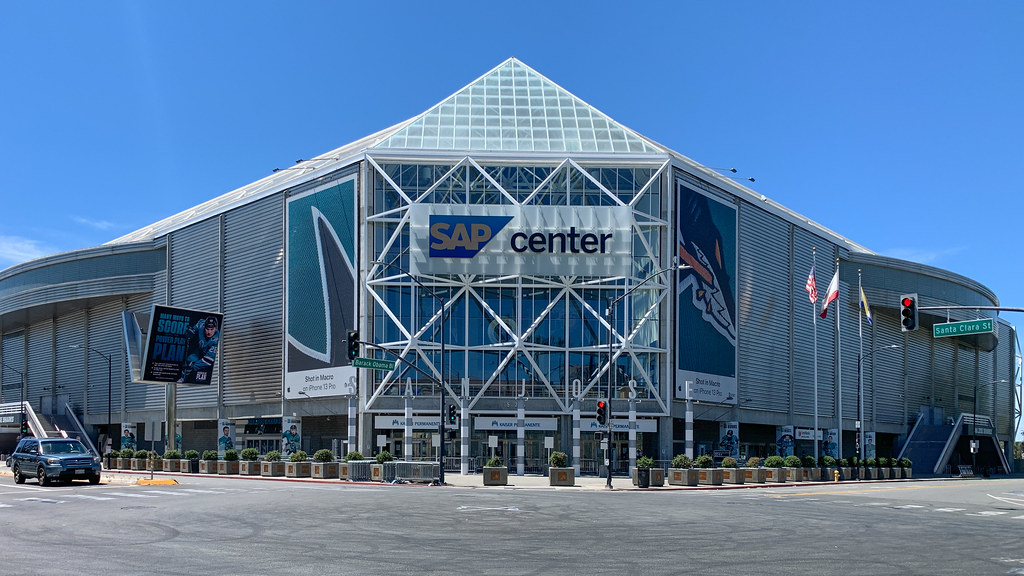
Downtown San Jose suits first-timers: close to museums, light rail and the Diridon station.
Santana Row and Valley Fair suit shopping, dining and a polished feel.
Japantown suits a quieter neighborhood stay with great food.
Near SJC suits early flights and business trips.
Santa Clara and Mountain View suit access to Levi's Stadium, Great America or tech campuses.
Getting around
Map →
San Jose is car-oriented, and rideshare and rentals are common. VTA runs light rail (Blue, Green and Orange lines) and buses, serving downtown, the airport area and parts of the Valley. Caltrain and the ACE train run from the Diridon Station, and BART has an extension into North San Jose and Santa Clara (check current status of extensions). Check current fares.
Downtown is walkable, and scooters and bikes are available. Rush-hour traffic on US-101 and I-280 is heavy, so plan trips outside peak times.
Know before you go
Map →
Tech sights: most big-tech campuses are not open to the public. Visitor centers and museums (such as the Computer History Museum and Apple Park's visitor center) are the easiest ways to see the industry; check current access and hours.
Food: Vietnamese (the area has a large community), Mexican, Indian, Japanese, dim sum and farm-to-table restaurants.
Weather: mild all year, with cool mornings and evenings. Bring a light jacket.
Last call is 2 a.m. Tipping 18 to 20% is standard.
Safety
San Jose's visitor areas are generally safe, with normal big-city awareness. Car break-ins are common: never leave valuables visible in a parked car. Some downtown blocks are quiet at night; use rideshare late.
Wildfire smoke can affect air quality in late summer and fall; check conditions if you have breathing issues. The Bay Area is earthquake country, so know your hotel's emergency guidance.
Healthcare
Emergencies: dial 911. San Jose has major hospitals and many urgent-care clinics and pharmacies. If you take prescription medications, bring a buffer supply.
What to pack
Light layers (mornings and evenings are cool), sunscreen, comfortable walking shoes, a light jacket and a hat. A rain shell in winter.