What San Francisco is
Map →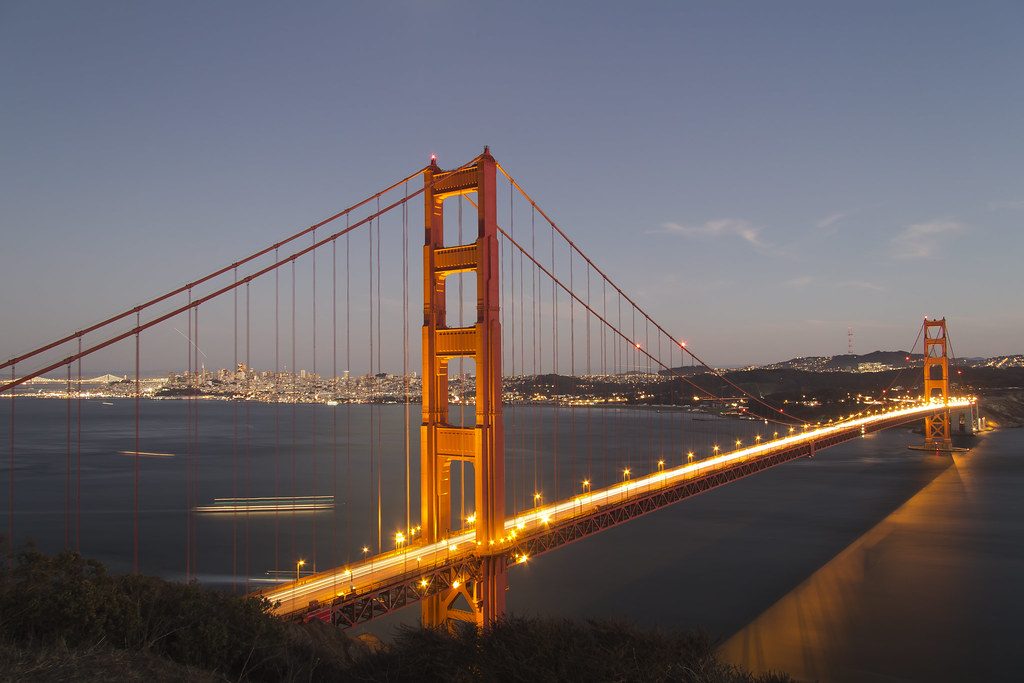
San Francisco is a compact, hilly city on a peninsula, famous for the Golden Gate Bridge, cable cars, Victorian houses, Alcatraz, fog and a layered history of the Gold Rush, the Beats, the Summer of Love and the tech boom. It's only about seven by seven miles, with neighborhoods that feel like separate villages.
Come for the views, the food and the neighborhoods, and dress for changing weather. It's dense and walkable but very steep, and one of the most expensive cities in the country.
When to go
Map →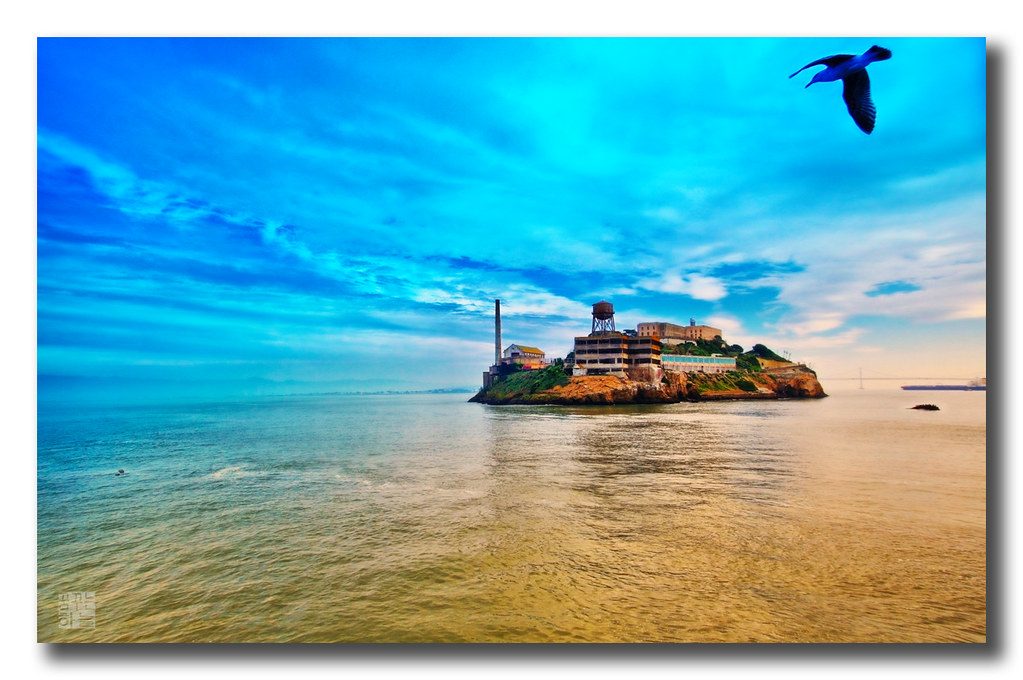
Spring (March to May) is mild and often sunny, with blooming hills and fewer crowds than summer.
Summer (June to August) is famously foggy and cool. Mornings and evenings are chilly even when inland California is hot.
Fall (September to October) is the warmest and clearest time, with the best views. Conferences and events fill hotels.
Winter (December to February) is cool and rainy, with green hills, lower prices and Dungeness crab season (typically from November).
Check the events calendar. Big conferences such as tech and medical conventions, Fleet Week, Outside Lands and sporting events fill hotels and raise prices.
How many days
Map →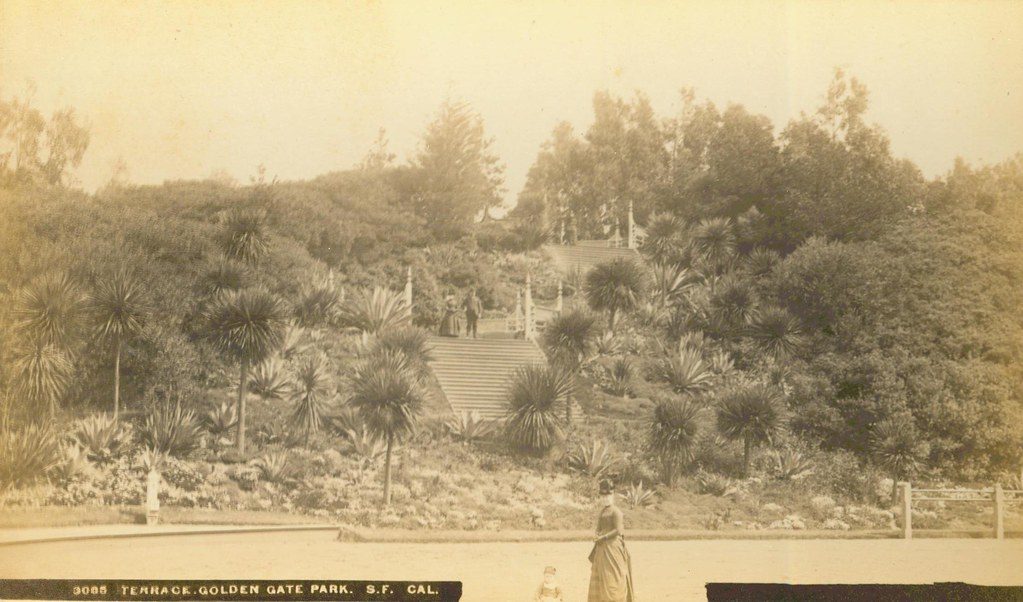
3 days covers the icons: the Golden Gate Bridge, Alcatraz, Fisherman's Wharf and a neighborhood or two.
4 days (recommended) adds Golden Gate Park, a museum day and a slower neighborhood afternoon.
5 or more days adds Muir Woods, Sausalito, Napa or Sonoma, or Point Reyes.
Day 1, the waterfront and Alcatraz: morning ferry to Alcatraz (book ahead). Afternoon at Fisherman's Wharf and Pier 39's sea lions, then the Ferry Building Marketplace for lunch. Evening cable-car ride to Nob Hill or North Beach for dinner.
Day 2, bridges and parks: morning at the Golden Gate Bridge (walk or bike across, or enjoy it from Battery Spencer or Crissy Field). Afternoon at the Presidio and the Palace of Fine Arts. Evening in the Marina or Cow Hollow.
Day 3, Golden Gate Park and neighborhoods: morning at the California Academy of Sciences or the de Young Museum, plus the Japanese Tea Garden. Afternoon in Haight-Ashbury, then the Painted Ladies at Alamo Square. Evening in Hayes Valley for dinner and music.
Day 4, the Mission and Chinatown: morning in Chinatown for dim sum and shops. Afternoon in the Mission District for murals, Dolores Park and a famous burrito. Evening dinner in the Mission or the Castro.
Optional day trip: Muir Woods National Monument (reservations are required for parking or the shuttle) and Sausalito by ferry, or wine country in Napa or Sonoma.
Where to stay
Map →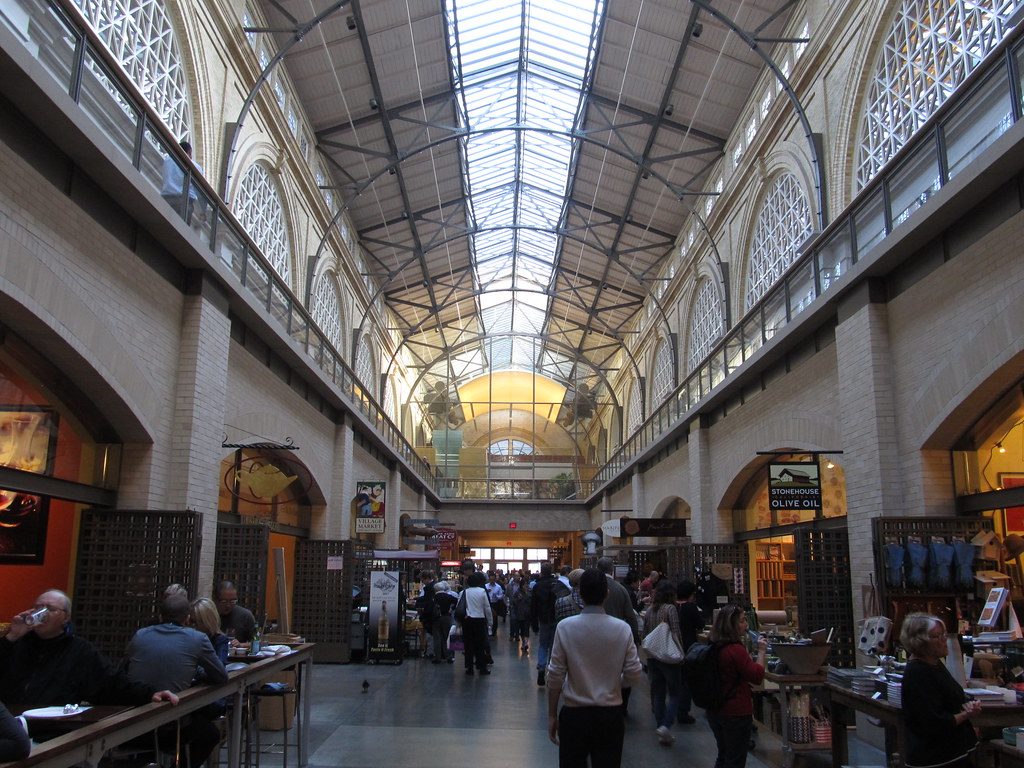
Union Square and downtown suit first-timers: central, close to BART and Muni, and busy.
Fisherman's Wharf and North Beach suit sights, Italian food and a touristy feel.
Nob Hill and Russian Hill suit classic hotels and views.
The Marina and Cow Hollow suit a polished neighborhood feel with bay views.
Hayes Valley and the Mission suit restaurants, nightlife and a local vibe.
Near the Ferry Building and SoMa suit conferences and waterfront access.
Getting around
Map →San Francisco is very transit-friendly. BART connects SFO and Oakland to downtown. Muni runs buses, Metro light rail, historic streetcars and the iconic cable cars. Use a Clipper card or contactless payment, and check current fares. Ferries connect to Sausalito, Tiburon and Oakland, and the F-Market streetcar runs along the waterfront.
Walking is great, but the hills are steep; wear comfortable shoes and allow extra time. Rideshare is plentiful, and driverless rideshare vehicles operate in parts of the city (check current availability). Skip the rental car: parking is scarce and expensive, and break-ins are common.
Know before you go
Map →Layers: the weather changes by neighborhood and hour. Fog and wind can make summer afternoons chilly.
Alcatraz: tickets sell out. Book from the official operator, not resellers.
Muir Woods: reservations are required, so book ahead.
Food: sourdough, Dungeness crab (in season), cioppino, Mission burritos, dim sum, Italian food in North Beach and Ghirardelli chocolate.
Last call is 2 a.m. Tipping 18 to 20% is standard; check for service fees that are already added.
Safety
San Francisco is a major destination, and most visitors have a great trip, but it has real city risks. Car break-ins ("smash and grabs") are the most common problem: never leave anything visible in a parked car, and don't leave belongings in a trunk.
Some neighborhoods, including parts of the Tenderloin, SoMa and Mid-Market, have visible street disorder and are best avoided at night; stay in busy areas and use rideshare late. Keep your phone and bag secure in crowds and on transit.
The region is earthquake country, and wildfire smoke can affect air quality in fall. Know your hotel's emergency guidance and check conditions.
Healthcare
Emergencies: dial 911. San Francisco has major hospitals and many urgent-care clinics and pharmacies. If you take prescription medications, bring a buffer supply.
What to pack
Layers (even in summer), a windproof jacket, comfortable shoes with good grip for hills, a hat and sunscreen, a scarf and a compact umbrella. A small bag that closes securely.