What San Antonio is
Map →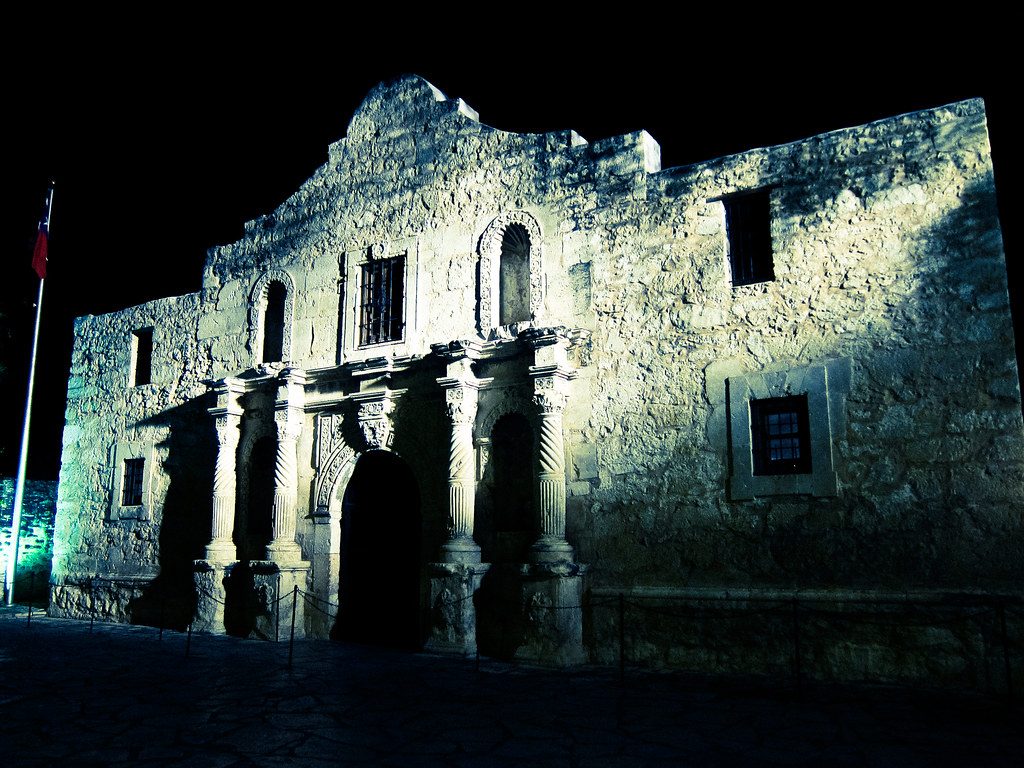
San Antonio is a relaxed, history-rich city with Spanish colonial missions, a famous River Walk, a deep Tex-Mex and Mexican American heritage, and a laid-back Texas pace. It's home to the Alamo, five 18th-century missions (a UNESCO World Heritage Site), a revitalized Pearl District and the Spurs.
Come for the history, the food and the River Walk, and use it as a base for Hill Country trips. It's warm, friendly and easy to enjoy at a slow pace.
When to go
Map →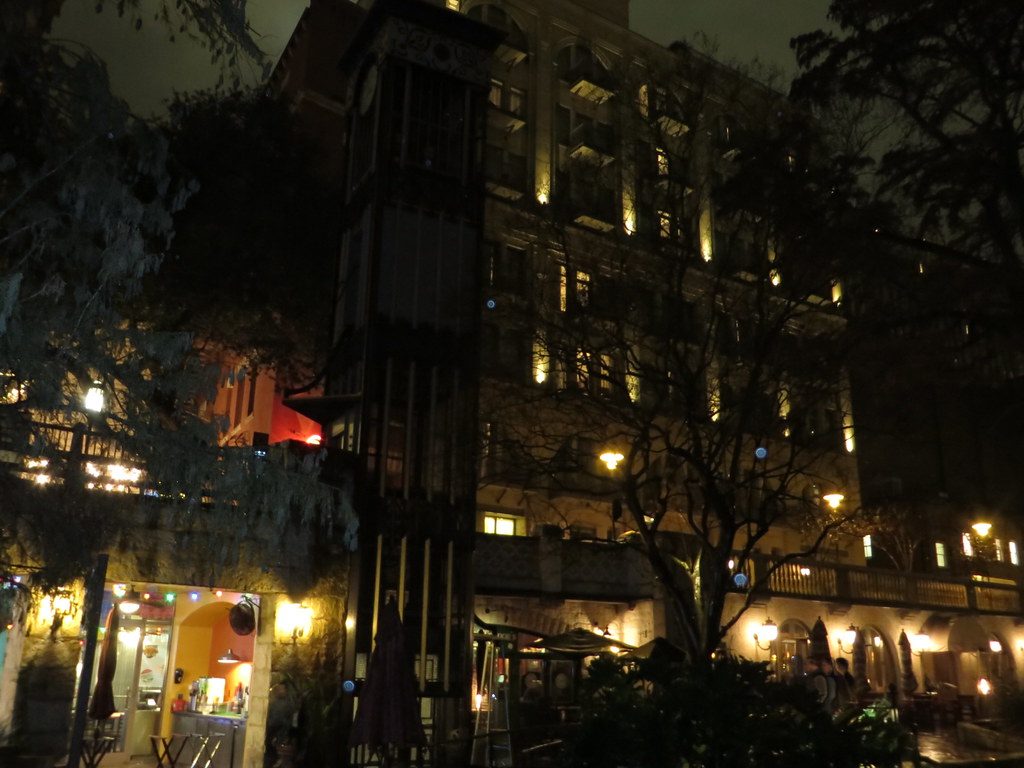
Spring (March to May) is warm and green, with wildflowers in the Hill Country. Fiesta in April brings parades, music and big crowds.
Summer (June to August) is hot and humid, with highs in the upper 90s. Hotel rates drop, and river walks and water parks help.
Fall (October to November) is warm and pleasant, with Día de los Muertos events and fewer crowds.
Winter (December to February) is mild, with occasional cold snaps. Holiday lights along the River Walk are a highlight.
Check the events calendar. Fiesta, Spurs games, conventions and holiday weekends raise prices.
How many days
Map →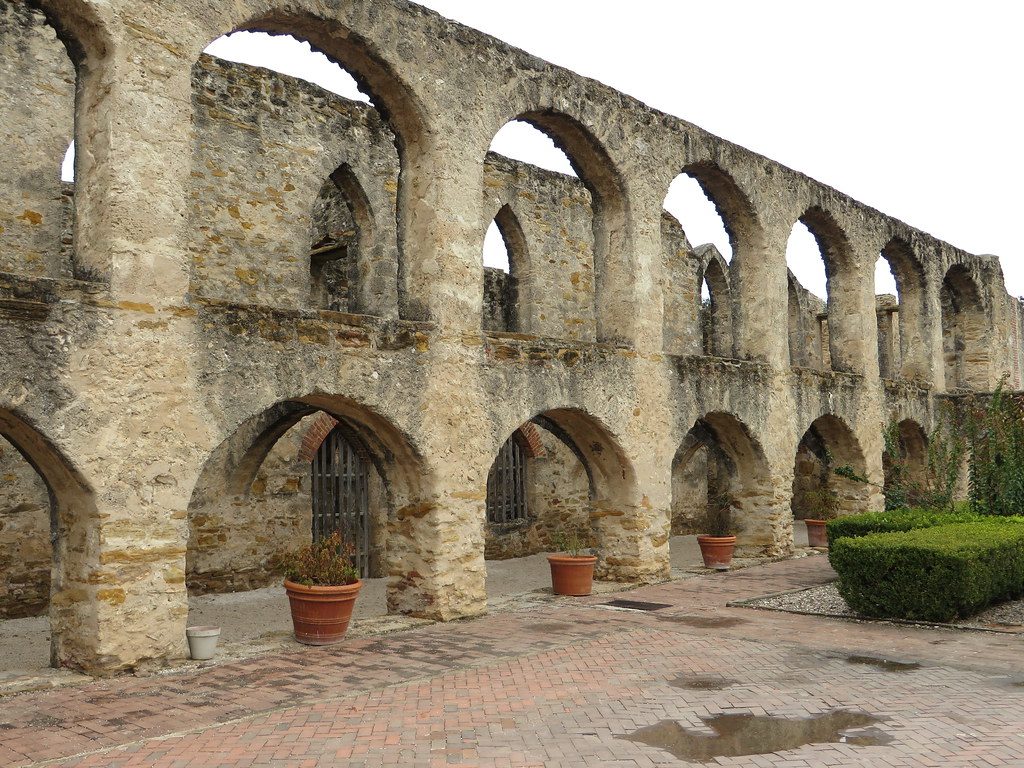
2 days covers the Alamo, the River Walk and a mission or the Pearl.
3 days (recommended) adds a full mission day and a neighborhood evening.
4 to 5 days adds Hill Country towns such as Boerne, New Braunfels or Fredericksburg.
Day 1, downtown history: morning at the Alamo (reserve ahead), then the Menger Hotel bar and the Alamo-area museums. Afternoon walk the River Walk to Market Square for lunch and shopping. Evening dinner on the River Walk or a river cruise.
Day 2, missions and the Pearl: morning at Mission San José and Mission Concepción (or a bike ride along the Mission Reach trail). Afternoon at Southtown or the King William district. Evening at the Pearl for dinner and the farmers market area.
Day 3, choose your own: Hill Country day trip to Gruene Hall and New Braunfels, or Fredericksburg for wineries and German food. Or stay local with the Witte Museum, Brackenridge Park and the San Antonio Botanical Garden.
Where to stay
Map →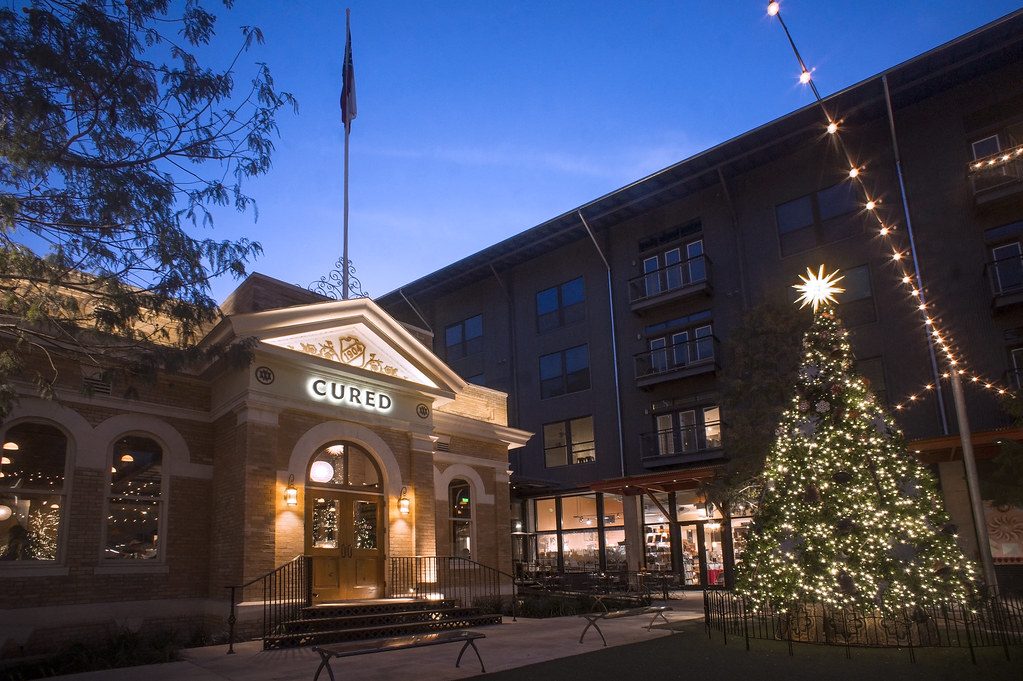
The River Walk and downtown suit first-timers: walkable to the Alamo and restaurants, busy and touristy.
The Pearl District suits food, boutiques and a modern, walkable feel.
King William and Southtown suit historic charm, art and local restaurants.
Alamo Heights and Broadway suit a residential feel and easy access to museums.
Near the airport suits early flights and budgets.
Getting around
Map → Downtown, the River Walk, Market Square and the Alamo are walkable. VIA Metropolitan Transit runs buses and a downtown streetcar, and rideshare and taxis are common. Check current fares and schedules.
For the missions, a bike ride or car is best. The Hill Country needs a car or a tour. Downtown parking is plentiful but can be pricey near the River Walk; hotel garages are easiest.
Know before you go
Map → The Alamo: free, but timed reservations are recommended, especially in peak season. Dress respectfully, as it's a shrine.
River Walk: the edges can be unprotected in places, so watch your step, especially at night.
Food: breakfast tacos, puffy tacos, enchiladas, barbecue, pan dulce and Tex-Mex. San Antonio is a UNESCO Creative City of Gastronomy.
Last call is 2 a.m. Tipping 18 to 20% is standard.
Fiesta: book months ahead if you plan to visit in April.
Safety
Map → San Antonio's visitor areas are generally safe with normal precautions. Keep valuables secure, especially in crowds and at festivals, and use rideshare late at night.
Heat is the main hazard in summer: carry water and plan outdoor time for mornings. Heavy rain can cause flash floods in low-lying areas and along the river; heed warnings and avoid flooded roads.
Healthcare
Map →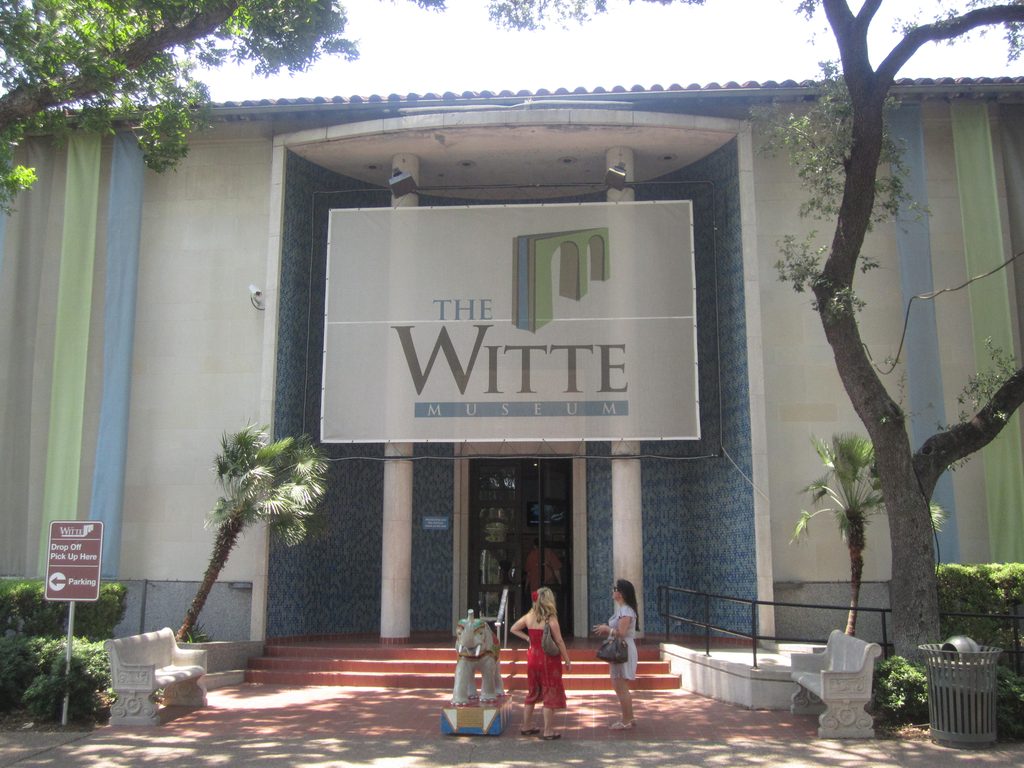
Emergencies: dial 911. San Antonio has major hospitals, including a large military medical presence, and many urgent-care clinics and pharmacies. If you take prescription medications, bring a buffer supply.
What to pack
Map →
Light, breathable clothing, sunscreen, a hat, comfortable walking shoes, a light jacket for cooler evenings, a compact umbrella and a refillable water bottle.