What Houston is
Map →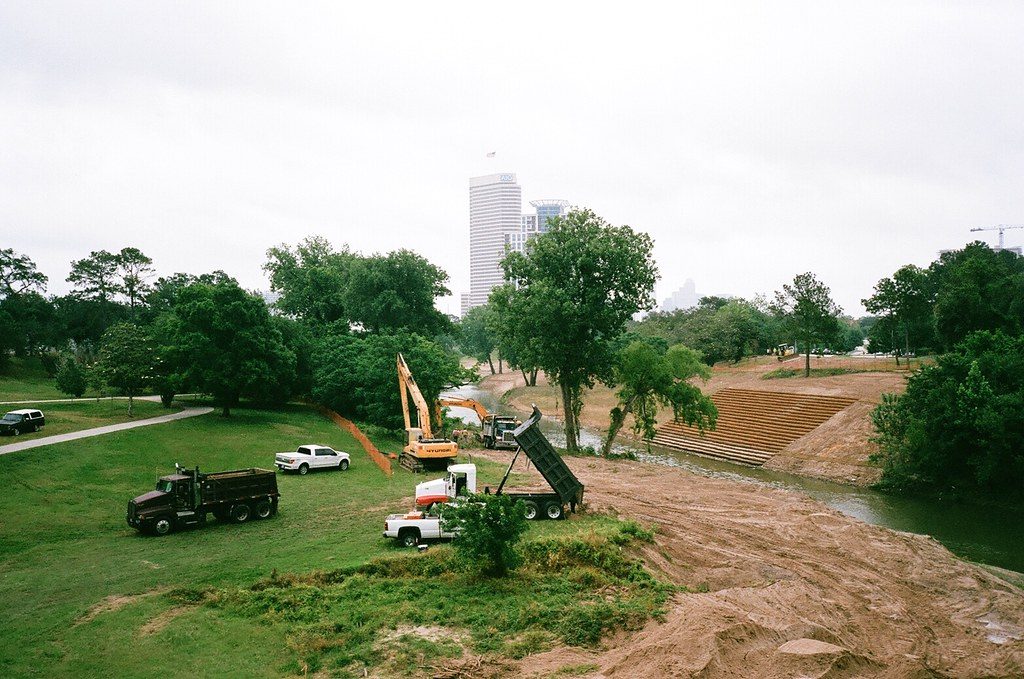
Houston is the largest city in Texas and one of the most diverse in the country: the energy capital, the home of NASA's Mission Control, a major port and medical center, and a food town where Tex-Mex, barbecue, Vietnamese, Nigerian, Cajun and Gulf seafood all collide. It's sprawling, flat and green along its bayous, with a strong museum district and an easygoing, big-hearted feel.
Come for the food, the museums, space history and sports, and plan by area, since the city covers hundreds of square miles. It's less polished than some peers and more interesting for it.
When to go
Map →Fall (October to November) is warm and drier, with comfortable evenings. Excellent for patios and baseball playoffs.
Winter (December to February) is mild with occasional cold snaps. RodeoHouston arrives in late February and March, bringing big crowds.
Spring (March to May) is warm and green, with wildflowers and festivals, but severe storms can pop up.
Summer (June to September) is hot and very humid, with afternoon thunderstorms. Hurricane season peaks from August through October.
Check the events calendar. Rodeo season, major concerts and Astros, Texans and Rockets games affect traffic and prices.
How many days
Map →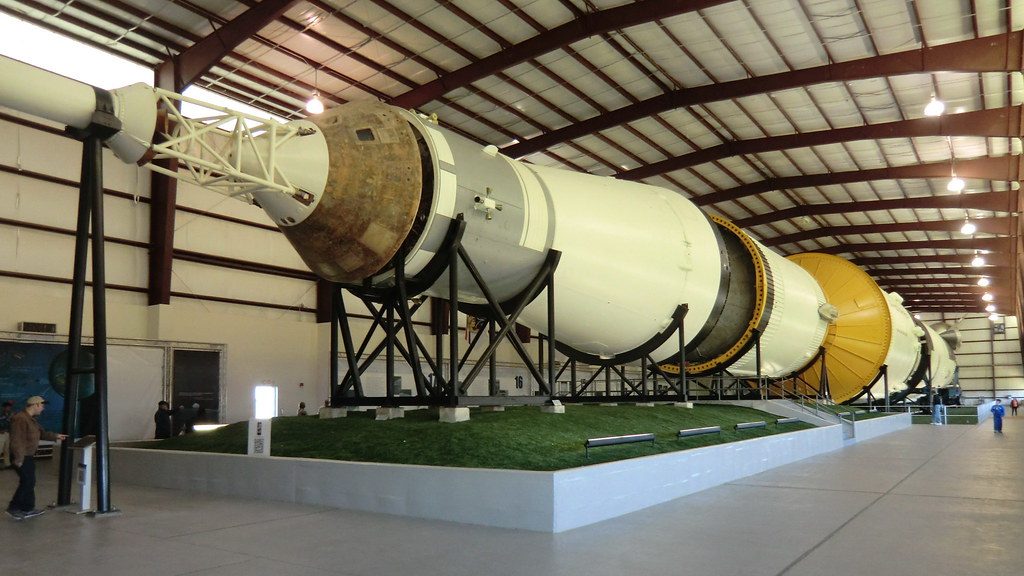
2 days covers the Museum District, a Space Center trip or downtown, and good meals.
3 days (recommended) adds a neighborhood day and a bayou or park afternoon.
4 to 5 days adds Galveston (about an hour away), the Kemah Boardwalk, or the Gulf Coast.
Day 1, museums and parks: morning in the Museum District (Museum of Fine Arts, Houston Museum of Natural Science, or the free Menil Collection and Rothko Chapel). Afternoon at Hermann Park and the zoo. Evening dinner in Montrose or Rice Village.
Day 2, space and downtown: morning at Space Center Houston (about 25 miles southeast of downtown, so allow a half day). Afternoon at Discovery Green and the Buffalo Bayou Park trails. Evening game at Daikin Park or a show in the Theater District.
Day 3, neighborhoods and food: The Heights for shops and restaurants, then a lunch crawl through Chinatown or Bellaire for Vietnamese and Chinese food. Late afternoon at Memorial Park, dinner at a barbecue or Tex-Mex favorite.
Where to stay
Map →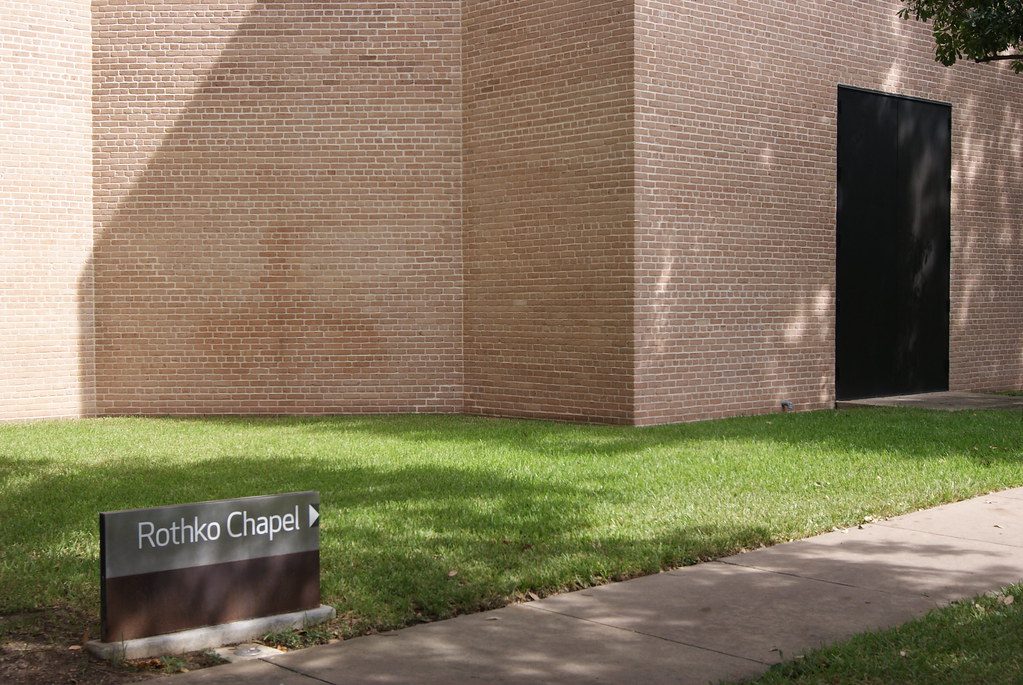
Downtown suits sports, theater and light-rail access.
Midtown and Montrose suit restaurants, bars and arts, with a lively local feel.
The Museum District suits cultural trips, with easy rail access.
Uptown and the Galleria suit shopping and business travel, with heavy traffic.
The Heights suits a neighborhood feel, boutiques and brunch.
Getting around
Map →
Houston is a car city, and rental cars or rideshare are the norm. Allow extra time at rush hour; the freeways are wide but slow.
METRORail runs a Red Line from downtown through the Museum District and Medical Center to NRG Park; the Green and Purple lines serve east side corridors. METRO buses fill gaps. Check current fares and schedules.
From IAH, use rideshare, taxi or a bus (budget extra time). Hobby is closer to downtown. Parking is generally easy and cheaper than in coastal cities.
Know before you go
Map →
Heat: in summer, plan outdoor time for morning or evening and keep water on hand.
Flooding: heavy rain can flood underpasses and streets quickly. Never drive through standing water, and check forecasts during storm season.
Hurricanes: keep bookings flexible June to November and follow official guidance.
Food: Tex-Mex, brisket, Viet-Cajun crawfish, Gulf shrimp and oysters, tacos, kolaches, Nigerian and Indian food. Book popular restaurants ahead.
Last call is 2 a.m. Tipping 18 to 20% is standard.
Safety
Map →
Houston's visitor areas are generally fine, with normal big-city awareness. Car break-ins are common: never leave valuables visible. Be careful at night downtown and in parts of the east side if you're unfamiliar with them, and use rideshare late.
Weather is the bigger concern. Heat illness, flash floods and hurricanes are real risks; check forecasts, follow alerts and don't underestimate the heat on outdoor trips.
Healthcare
Emergencies: dial 911. Houston is home to the Texas Medical Center, one of the world's largest, and has many urgent-care clinics and pharmacies. If you take prescription medications, bring a buffer supply.
What to pack
Light, breathable clothing, sunscreen, a hat, a compact umbrella or rain jacket, comfortable walking shoes, a light layer for aggressive air conditioning, and insect repellent for bayou trails.