What Denver is
Denver is a mountain-gateway city: sunny, high and outdoorsy, with the Rockies on the western horizon and the Great Plains stretching east. It's a craft-beer capital, a sports town (Broncos, Nuggets, Avalanche, Rockies) and a growing arts and food scene, with historic LoDo brick warehouses, the RiNo mural district and leafy neighborhoods like Capitol Hill and Highland.
Come for the views, the beer and easy access to the mountains, and plan around the altitude and weather. Locals say the sun shines most of the year, but the weather changes fast.
When to go
Spring (March to May) swings between 70-degree days and snowstorms. Fewer crowds, lower prices, but unpredictable.
Summer (June to August) is warm, dry and sunny, with afternoon thunderstorms, outdoor concerts and the busiest mountain season. Best for hiking and patios.
Fall (September to October) is the sweet spot: clear skies, cool nights and aspen color in the high country, usually peaking late September.
Winter (December to March) is cold but often sunny in the city. Ski resorts open in the mountains (about 1.5 to 3 hours away), and I-70 traffic can be heavy on weekends.
Check the events calendar. Football and hockey nights, big concerts and conventions raise prices, and ski weekends clog highways.
How many days
2 days covers downtown, a mountain-edge excursion (Red Rocks or a nearby foothills hike) and a brewery or two.
3 days (recommended) adds a museum, a neighborhood day and a relaxed evening in RiNo or Highland.
4 to 5 days adds Rocky Mountain National Park, Boulder or a day in the mountains.
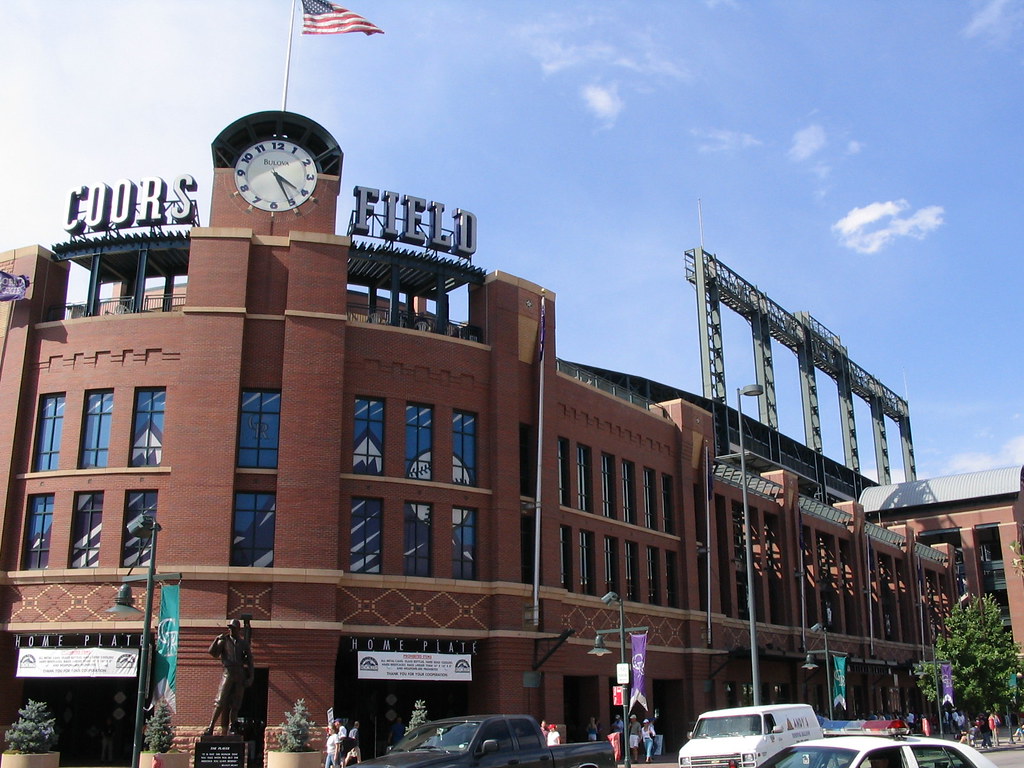
Day 1, downtown and LoDo: morning at Union Station, then stroll the 16th Street Mall (free shuttle buses run along it) and visit the Colorado State Capitol, where a marker on the 13th step shows exactly one mile above sea level. Afternoon in the Denver Art Museum or History Colorado. Evening at a LoDo patio, a Coors Field game in season, or Larimer Square.
Day 2, culture and neighborhoods: morning at the Denver Botanic Gardens or Cheesman Park, lunch in Capitol Hill or Cherry Creek. Afternoon in RiNo for murals, breweries and distillery tastings. Evening at a show or a restaurant in Highland.
Day 3, choose your own: Red Rocks Amphitheatre (book for a show, or walk the trails and visit the visitor center on a non-show day), then Golden for lunch and a brewery tour. Or go farther: Rocky Mountain National Park (check timed-entry rules and book early), Boulder or Garden of the Gods near Colorado Springs, each requiring a car or a tour.
Where to stay
Downtown and LoDo suit first-timers and no-car trips: walkable, near Union Station and the airport train, busy on game nights.
RiNo suits breweries, art and a younger crowd: easy rideshare to downtown, close to the A Line stop.
Capitol Hill and Cheesman Park suit a residential feel and restaurants.
Cherry Creek suits shopping and upscale dining: pricier and a bit quieter.
Near the airport suits early flights: convenient but far from the action.
Getting around
Downtown, LoDo, RiNo, Capitol Hill and Union Station connect by walking, scooters and bikes, buses and rideshare. The RTD system includes light rail, commuter rail and buses. The A Line connects the airport and Union Station and is the easy way in. Check current fares and schedules.
For Red Rocks, the Rocky Mountain foothills and most mountain towns, you'll want a car, a rideshare or an organized shuttle or tour. On show nights at Red Rocks, parking and traffic are tight; consider a concert shuttle.
Mountain driving: from fall through spring, mountain highways can need snow tires or chains (Colorado has traction laws on I-70). Check road conditions before you go and carry water and layers.
Know before you go
Altitude: at 5,280 feet, you may feel tired, headachy or short of breath on day one. Drink lots of water, go easy on alcohol (it hits harder), and skip strenuous hikes your first day.
Sun: UV is strong at altitude, even in winter. Wear sunscreen and sunglasses.
Weather: summer afternoon thunderstorms can bring lightning and hail. Plan hikes for the morning and get off exposed ridges early.
Cannabis is legal for adults 21 and over in Colorado. Don't consume in public, don't drive impaired, and don't take it across state lines or onto federal land (including national parks).
Last call is 2 a.m. Tipping 18 to 20% is standard.
Safety
Denver is an easy city for visitors, with the usual big-city awareness. Downtown at night, especially around some blocks of Colfax Avenue and the 16th Street Mall, can feel rough in places; use rideshare late and keep valuables out of sight. Lock your car and take belongings with you.
In the mountains the real risks are weather, altitude and exposure. Check forecasts, tell someone your plan, and turn back if storms build. Wildfire smoke can affect air quality in late summer.
Healthcare
Emergencies: dial 911. Urgent-care clinics are common across the metro area. If you take prescription medications, bring a buffer supply. If you feel severe headache, confusion or breathing trouble at altitude, descend and seek care.
What to pack
Layers (mornings and evenings are cool, even in summer), a refillable water bottle, sunscreen and a hat, sturdy shoes for hiking, a rain jacket and a warmer coat from fall through spring. Lip balm and moisturizer help with the dry air.