What Baltimore is
Map →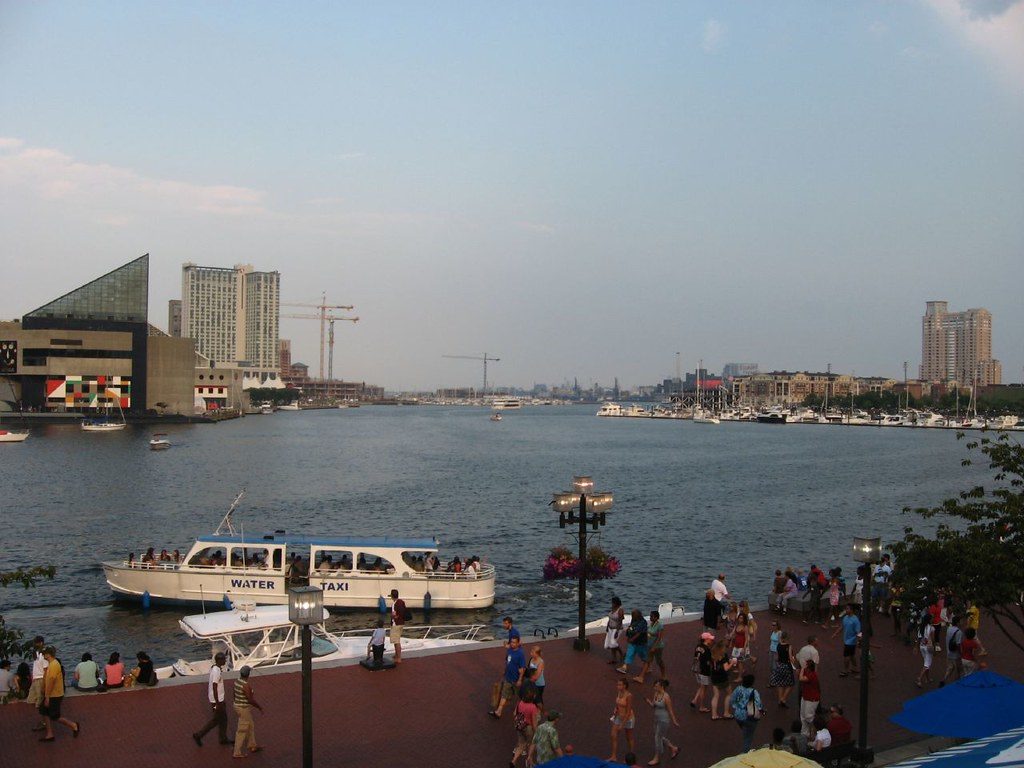
Baltimore is a harbor city built on brick, blue crabs, and big art: the Inner Harbor packs the aquarium, science center, and historic ships into a walkable waterfront, while the museums on the north side hold Matisse and visionary oddities.
The icons are spread but grouped. The Harbor, Fells Point, and Federal Hill cluster the water; the BMA, Hampden's Avenue, and Lexington Market sit a short ride north and west.
When to go
Spring and fall are the sweet spots: April through June brings mild promenade weather and the Kinetic Sculpture Race in early May, when homemade human-powered sculptures race from the museum to the harbor. September through October keeps the warmth without the worst of the summer humidity.
Summer is festival season and peak harbor crowds, with heat and humidity that sit heavy on the brick promenade. Winter is quiet and cheap, with the stadiums dark and the museums at their emptiest; the aquarium stays busy on holiday weekends so book those days early.
How many days
Map →Two days covers the essentials: the Harbor and aquarium on day one, Fort McHenry plus Fells Point on day two. Three days is the recommended trip, adding the museum north side and Lexington Market. Four or five lets you linger in Hampden and the Station North arts blocks.
A 3-day plan: day one, Inner Harbor to Fells Point on foot, aquarium in the morning before the crowds, sunset from Federal Hill Park. Day two, Fort McHenry in the morning, Lexington Market for lunch, the BMA or Visionary Art Museum in the afternoon. Day three, Hampden's Avenue, the B&O Museum or the Zoo, and a game or Hippodrome show at night.
Where to stay
Map →Stay downtown or at the Harbor for a first trip: the Light Street and Pratt Street hotels put the aquarium, Camden Yards, and the promenade within walking distance, and the light rail reaches both BWI and the stadiums. Fells Point runs second for nightlife, with inns and rowhouses above the bar blocks; ask for a room off the main strips if you sleep light.
Federal Hill trades some walkability for views and quieter streets, a good pick for families. Budget travelers do fine north of downtown around Midtown and Station North, on the light rail and a short ride from everything. Game weekends and big Hippodrome tours spike downtown prices, so book those dates early.
Getting around
Map →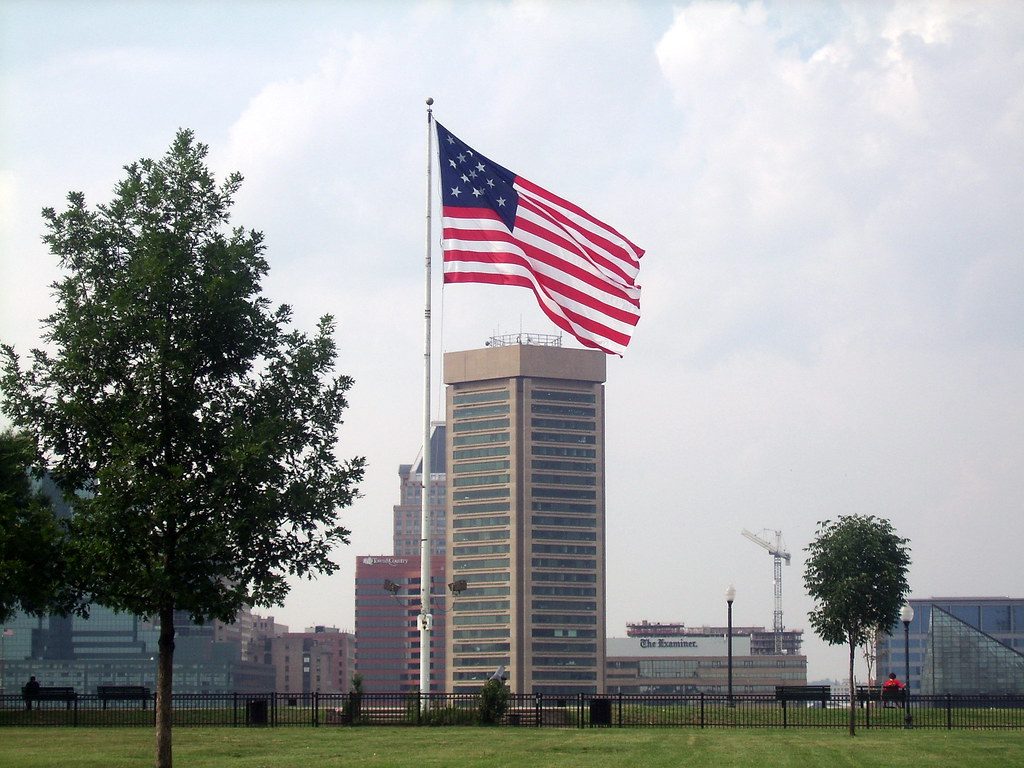
The core is walkable and the water taxi connects the Harbor, Fells Point, Federal Hill, and Fort McHenry with a day pass that beats parking twice. Light rail runs from BWI through downtown to Hunt Valley, with stadium stops at Camden Yards and M&T Bank Stadium; it is the easiest way in from the airport and the easiest way home from a game.
Buses cover the rest of the city but run slow crosstown. Rideshares fill the gaps at night, especially out of Fells Point. A car earns its keep only for the Zoo, Cylburn Arboretum, and the B&O Museum legs, all with parking on site. Downtown garages charge event rates on game days, so check before you park.
Know before you go
Map →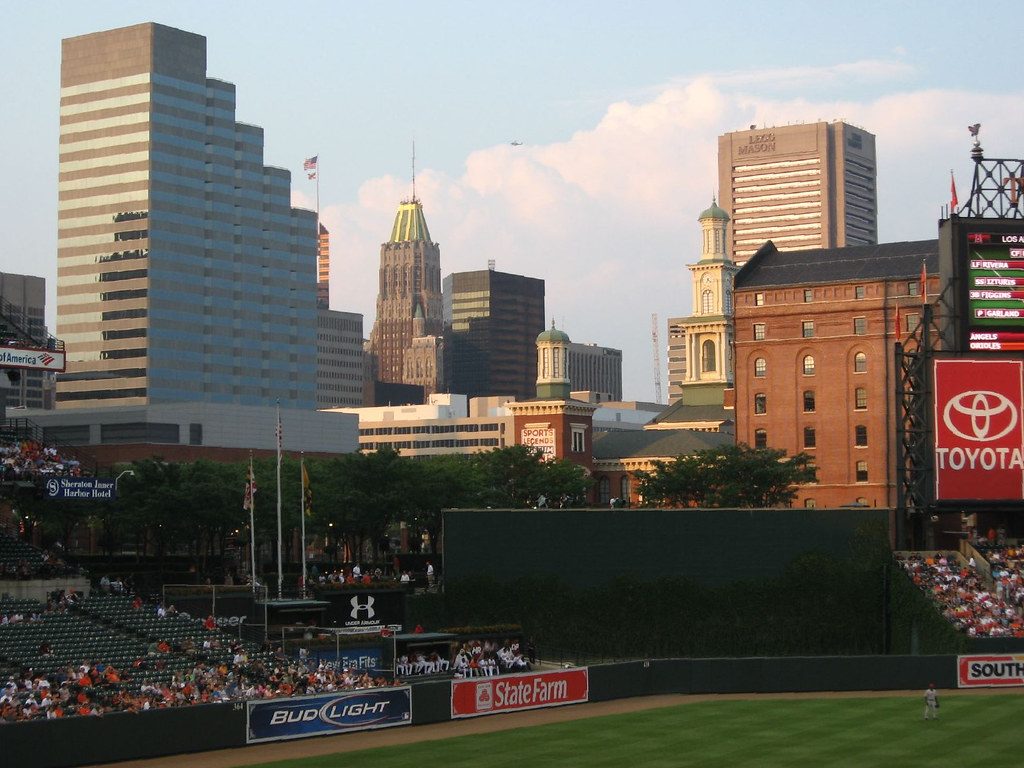
The aquarium uses timed entries and sells out on weekends and holidays; reserve ahead rather than walking up. Fort McHenry is a national park site with a standard entrance setup, and the ranger talks are worth timing your visit around. Lexington Market moved into its new hall, so older guides describing the old building read dated.
Orioles tickets at Camden Yards run cheapest on weeknights, and the Ravens at M&T Bank Stadium draw full houses all fall. The Kinetic Sculpture Race in May closes streets around the harbor, which is a spectacle if you plan for it and a traffic jam if you do not.
Safety
The tourist core around the Harbor, Fells Point, Federal Hill, and Camden Yards is busy and well-trafficked during the day and on event nights. Standard city habits apply: keep valuables out of sight, stay on lit streets after dark, and use rideshares late rather than walking long empty blocks.
Game nights flood the stadium districts with crowds and police presence, which is the safest time to be there and the worst time to drive. The promenade is fine in the evening but thins out late; Fells Point bars run late and loud on weekends, so plan your ride before the rush.
Healthcare
Downtown sits near major hospitals including the University of Maryland Medical Center and Johns Hopkins Hospital a short ride east, so urgent care is close from anywhere in the core. Pharmacies cluster along Pratt and Light Streets downtown and on Broadway in Fells Point.
Summer heat plus humidity catches visitors on the promenade: carry water, duck into the aquarium or a market hall at midday, and treat headaches and dizziness as a signal to sit down in the shade. Travelers with shellfish allergies should flag them clearly, since Old Bay and crab cross-contact is everywhere in local kitchens.
What to pack
Comfortable walking shoes first: the Harbor, Fells Point cobblestones, and Federal Hill slopes punish thin soles. Layers for the water, where harbor wind runs cooler than the forecast, plus a light rain shell in spring and fall.
Summer demands sunscreen, a hat, and a refillable water bottle for the promenade. Fall and winter need a real jacket, since stadium nights and the Fort McHenry point get windy. Binoculars are a nice extra for ship-spotting from Federal Hill and the harbor piers.