What Austin is
Map →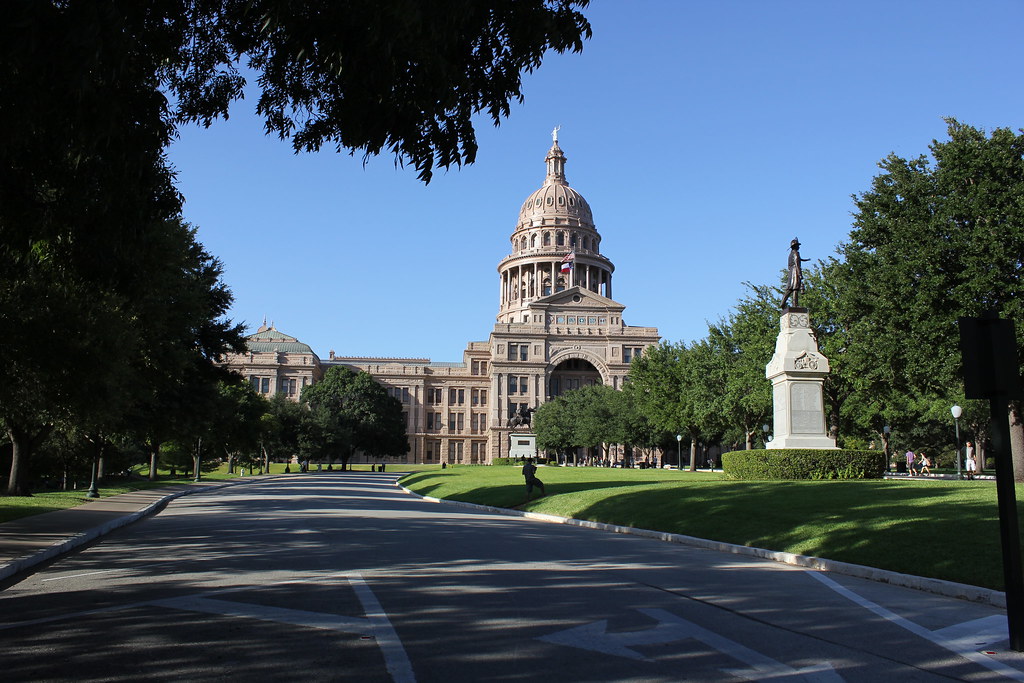
Austin is four towns sharing one skyline: the state capital, with the pink-granite Capitol anchoring downtown; a university city, with the University of Texas campus just north of the Capitol driving everything from football Saturdays to cheap lunches; the self-declared Live Music Capital of the World, with venues from Sixth Street to South Congress and shows most nights of the week; and a water town, where spring-fed Barton Springs, Lady Bird Lake and the Highland Lakes are how Austin survives summer.
Come for the springs, the barbecue and the nightly music, and plan around the heat. Growth has been fast for two decades, so expect construction beside landmarks and a skyline that keeps changing.
When to go
Map →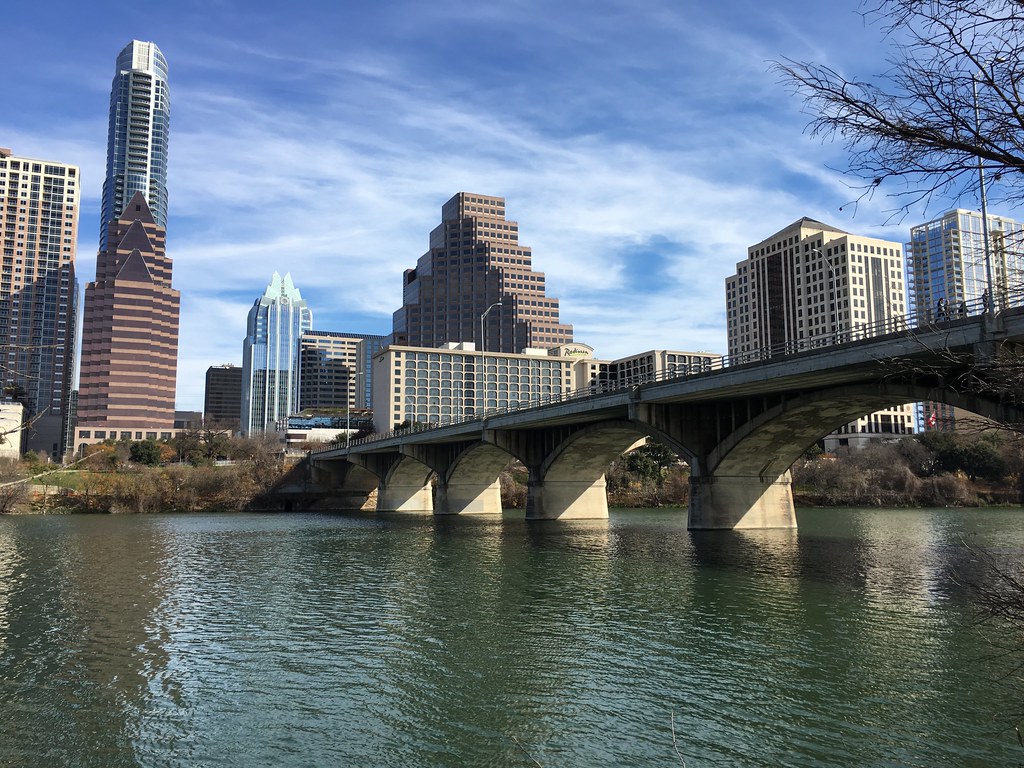
Spring (March to May) brings mild days, bluebonnets and wildflowers in March and April, and big events like SXSW in March. Best overall, but book early.
Summer (June to September) brings routine triple-digit heat, and days revolve around water and air conditioning. Go only if you plan for it.
Fall (October to early November) brings warm days, cooler nights and festival season. Best overall, with the same caution on event weekends.
Winter (December to February) is mild and quiet, with the odd cold snap near freezing, and cedar pollen can bother allergy sufferers. Best value.
Check the events calendar before booking. Festival and race weekends fill hotels and push prices up sharply, and they stretch rideshare waits. A weekend either side of a big event is often half the price.
How many days
Map →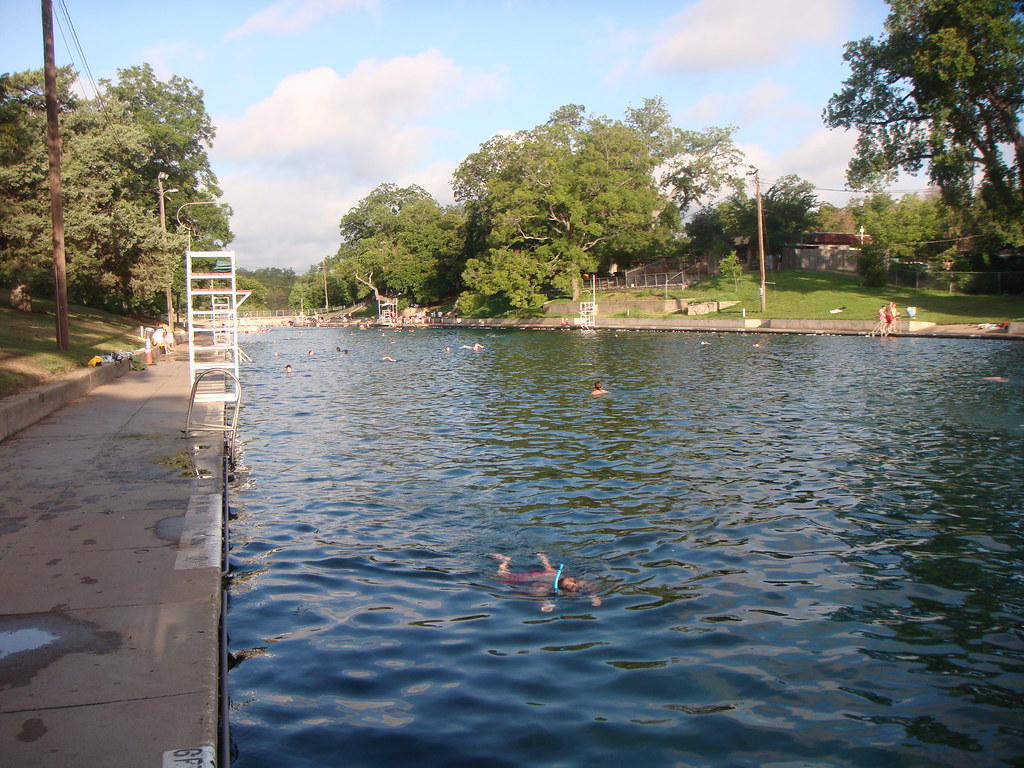
2 days covers the icons: springs and bats on day one, food and South Congress on day two, music both nights.
3 days (recommended) adds a slow morning, a museum or the Capitol, and one proper evening on the East Side.
4 to 5 days adds a Hill Country day trip (Hamilton Pool, Pedernales Falls, a Highland Lakes day or wineries) and time to do nothing at the pool.
Day 1, water and bats: morning walk or bike on the Lady Bird Lake trail from the Congress Avenue Bridge, or paddle the lake. Midday at Barton Springs Pool in Zilker Park — the water stays cool all year, so it works in any season, but check closure times for cleaning. Evening dinner on South Congress, then the Congress Avenue Bridge at dusk for the bats (March to October).
Day 2, Capitol, culture and barbecue: morning free tour of the Texas Capitol (confirm times), then the Bullock Texas State History Museum or the Blanton Museum of Art. Lunch is barbecue — go on a weekday or pre-order where offered to avoid the longest lines. Afternoon browsing the South Congress shops, or a break out of the heat. Evening on Rainey Street or the East Side for food, drinks and live music.
Day 3, choose your own: Hill Country means Hamilton Pool Preserve (reservation required) plus lunch in nearby Dripping Springs or Bee Cave — you will need a car. Slower and central means Mount Bonnell at sunset, the Lady Bird Johnson Wildflower Center, a farmers' market and a long dinner.
Where to stay
Map →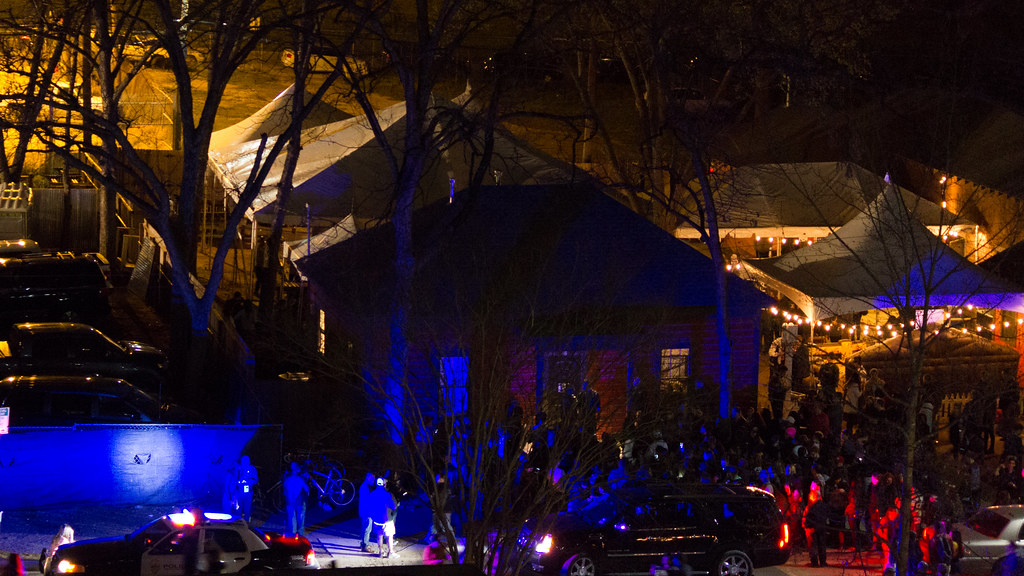
Downtown and Rainey Street suit first-timers, nightlife and no-car trips: walkable, loud on weekends, and hotel parking is expensive.
South Congress (SoCo) suits food, shops and boutique hotels: a walkable strip with a relaxed feel, a short ride to downtown.
The East Side suits bars, restaurants and a local feel: it needs rideshare or a bike, and the evenings are great.
Zilker and Barton Springs suit park and pool access: quieter and leafy.
Near the airport suits early flights and budgets: convenient but not scenic.
Getting around
Map → Without a car, the core works fine: downtown, the Capitol, South Congress, Rainey Street and the university district connect on foot, by bike or scooter, and by rideshare. Driverless rides are available in parts of the city on some apps, so check what is offered when you arrive. CapMetro buses cover most of the rest of the city, and the downtown core is compact enough that short rides are usually cheap.
You need a car for Hamilton Pool, Pedernales Falls, the lakes and most Hill Country day trips — they have no transit. If the rest of your trip is central, rent for the day-trip day only rather than the whole stay.
Austin-Bergstrom is southeast of downtown. Rideshare, taxis, rental cars and CapMetro buses all serve it; rideshare is the simplest option for most visitors, and prices rise at peak times.
Downtown parking is metered and enforced, and event days are strict. Hotel garages are the path of least resistance. Pay with the parking app where available.
Know before you go
Map →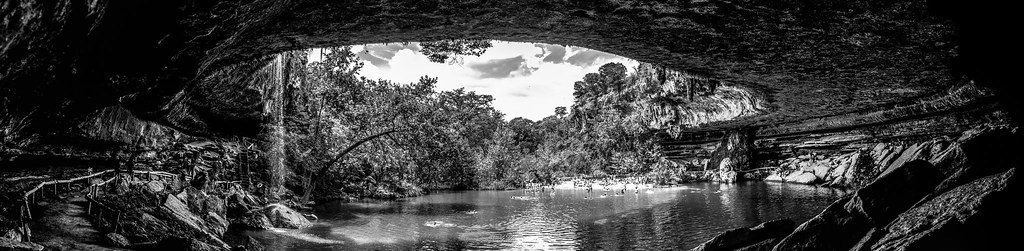
Heat is the main fact. From June through September, expect highs near or above 100F (38C). Locals do outdoor things before 11am, carry water everywhere and give the afternoon to Barton Springs or a pool.
Book ahead for two things. Hamilton Pool Preserve requires reservations and they sell out — check whether swimming is open, since it can close for safety. At the famous barbecue spots, weekday lines beat weekend lines, and some places offer pre-orders.
The bats: the Congress Avenue Bridge colony emerges at dusk from about March through October. Viewing is free, and late summer is usually best. Allow time to find a spot.
Sunday mornings belong to the farmers' market at Mueller. The Capitol's free tours shift with the legislative calendar, so confirm times before going.
Texas basics: bars have a 2am last call, and open containers are not allowed in vehicles. Tipping 18 to 20% is standard in restaurants. Tap water is safe to drink.
Safety
Map →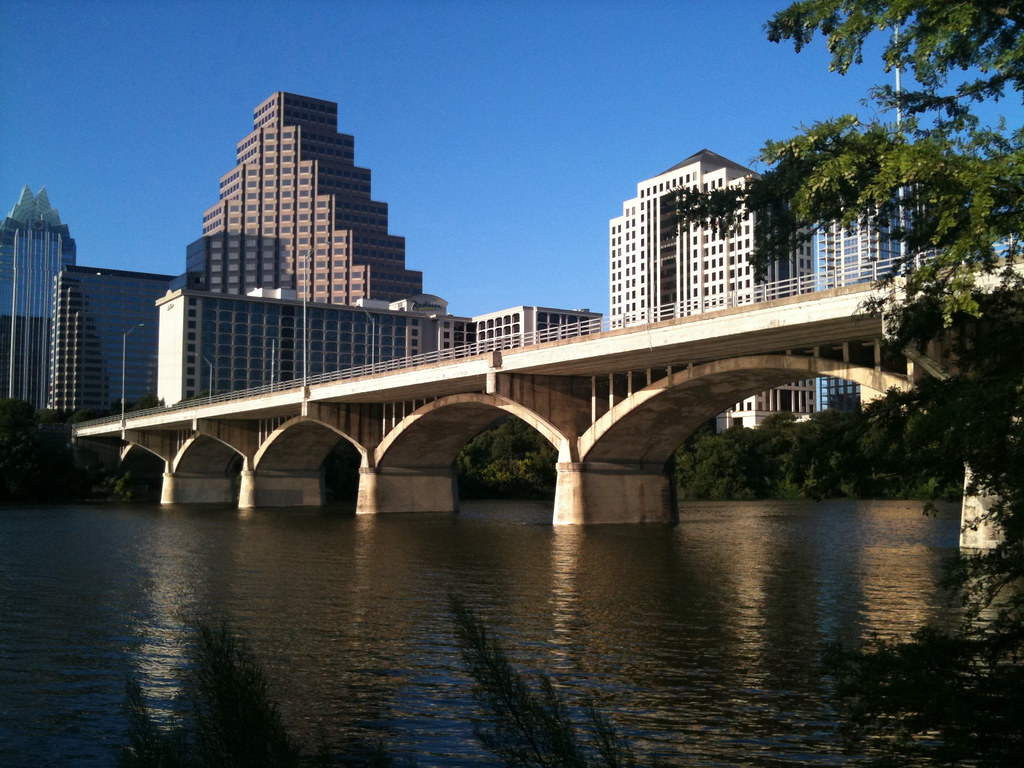
Austin is an easy city with one real hazard: the weather.
Heat: shade, water and air-conditioning breaks are the whole strategy. Heat exhaustion creeps up on visitors walking South Congress at 2pm in August. Know the emergency signs: confusion, hot dry skin and a very high body temperature mean call 911, not drink water and rest.
Water: swim where lifeguards are posted, especially with kids. Barton Springs has guarded sections, while many Hill Country swimming spots do not. After heavy rain, low-water crossings and swollen creeks are genuinely dangerous. Never drive through flooded roads. Turn around, don't drown.
Nights out: Rainey and Sixth Street are crowded and policed. Standard big-night-out awareness applies. Rideshares are plentiful, so use them rather than driving after drinking.
Healthcare
Emergencies: dial 911.
Non-urgent care: urgent-care clinics cluster around downtown and the Mueller and South Lamar corridors, and most take same-day walk-ins.
Pharmacies run late along the main corridors. If you take prescription medication, bring a buffer supply, because transferring prescriptions across states can eat half a day.
What to pack
Sun protection (hat, sunscreen, sunglasses), a refillable water bottle, and swim gear year-round. Comfortable walking shoes and sandals. Layers in winter, since 40F days happen. A light rain layer for spring storms.